Our Cape Coral office has been moved to 326 Del Prado Blvd N, Suite 201, Cape Coral, FL 33990

Blog

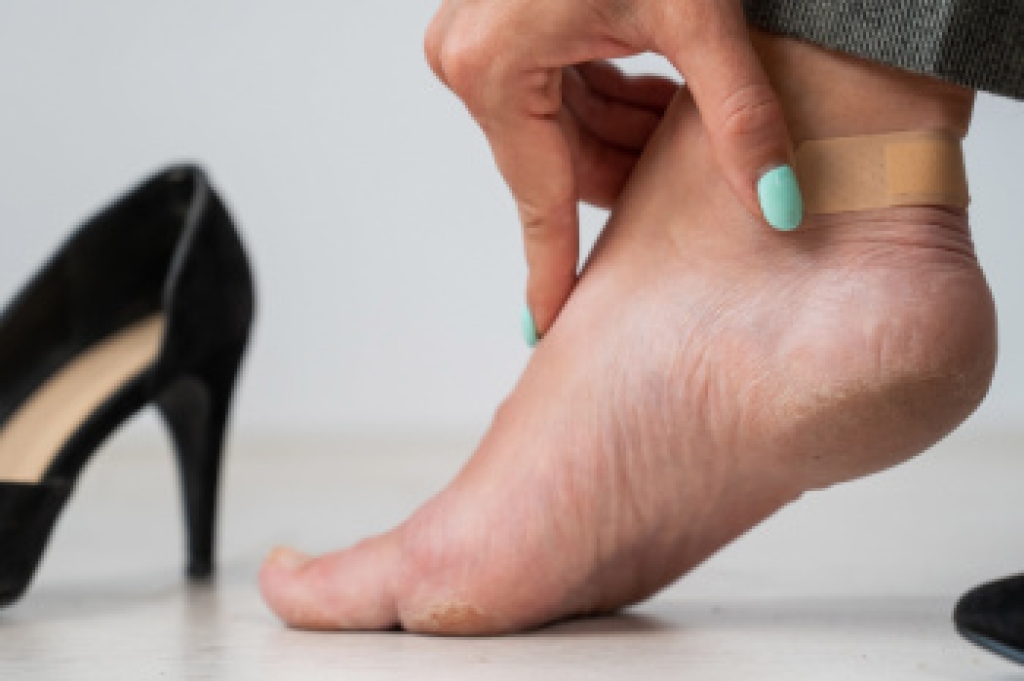
Causes of Foot Blisters

Foot blisters are fluid-filled pockets that form within the upper layers of the skin as a response to irritation or injury. They commonly develop on weight-bearing areas of the foot and can quickly become painful and limiting. While often considered minor, foot blisters can be disabling when they interfere with walking, standing, or athletic performance. Without proper care, they may worsen or become difficult to treat, especially if the skin breaks and becomes exposed.

Symptoms of foot blisters include redness, swelling, and a raised area filled with clear fluid. The affected area may feel tender or painful, particularly when pressure is applied. As the blister enlarges, walking can become uncomfortable, and the surrounding skin may feel warm or irritated. If the blister ruptures, it can expose sensitive tissue and increase the risk of infection.


The most common cause of foot blisters is friction, which occurs when the skin repeatedly rubs against footwear or another surface. Pressure from  wearing tight shoes, prolonged walking, or repetitive motion can intensify this effect. Other causes include burns from heat, exposure to freezing conditions, and allergic reactions to certain materials. Each of these factors can damage the skin and lead to blister formation.


Risk factors include ill-fitting shoes, excessive moisture, high activity levels, and sensitive skin. Preventive strategies include choosing properly fitted footwear, keeping feet dry, and using protective padding in high friction areas. Early care can reduce discomfort and prevent complications. If you have one or more blisters on your feet,  it is suggested that you consult a podiatrist for effective relief and prevention tips.

Blisters are prone to making everyday activities extremely uncomfortable. If your feet are hurting, contact Dr. John C. Lawlor of Florida. Our doctor can provide the care you need to keep you pain-free and on your feet.

Foot Blisters

Foot blisters develop as a result of constantly wearing tight or ill-fitting footwear. This happens due to the constant rubbing from the shoe, which can often lead to pain.

What Are Foot Blisters?

A foot blister is a small fluid-filled pocket that forms on the upper-most layer of the skin. Blisters are filled with clear fluid and can lead to blood drainage or pus if the area becomes infected.

How Do Blisters Form?

Blisters on the feet are often the result of constant friction of skin and material, usually by shoe rubbing. Walking in sandals, boots, or shoes that don’t fit properly for long periods of time can result in a blister. Having consistent foot moisture and humidity can easily lead to blister formation.

Prevention & Treatment

It is important to properly care for the affected area in order to prevent infection and ease the pain. Do not lance the blister and use a Band-Aid to provide pain relief. Also, be sure to keep your feet dry and wear proper fitting shoes. If you see blood or pus in a blister, seek assistance from a podiatrist.

If you have any questions, please feel free to contact one of our our offices located in Cape Coral and LaBelle, FL . We offer the newest diagnostic and treatment technologies for all your foot care needs.

Read more about Blisters

Common Foot and Ankle Injuries From Pickleball

Pickleball is a fast growing sport that combines elements of tennis, badminton, and table tennis. It requires quick directional changes, lateral movement, and sudden stops. These movements place repeated stress on the feet and ankles, increasing the risk of injury. Foot and ankle injuries related to pickleball often occur due to overuse, improper footwear, or sudden twisting motions. Because the sport is played on hard courts, impact forces are transferred directly through the lower extremities, which can strain muscles, ligaments, and bones.

Symptoms of pickleball related injuries may include pain, swelling, stiffness, and difficulty moving the foot or ankle. Common conditions include ankle sprains, plantar fasciitis, Achilles tendon strain, and stress fractures. An ankle sprain may present with instability and tenderness on the outer ankle, while plantar fasciitis often causes heel pain that is worse in the morning. Stress fractures may develop gradually, leading to persistent pain that worsens with activity. Recognizing these symptoms early is important to prevent worsening injury.


Several risk factors contribute to foot and ankle injuries in pickleball players. Inadequate warm up, poor flexibility, and muscle imbalances can increase strain on the lower extremities. Wearing shoes that lack proper support or traction may lead to slips or improper foot positioning. Playing on hard surfaces without adequate shock absorption can also increase stress on the feet. Age, previous injuries, and sudden increases in activity level may further elevate the risk of injury during play.


It is important to understand that pickleball is physically demanding on the feet and ankles, making proper preparation and support essential. Understanding the types of injuries and their causes can help players take preventive measures and respond quickly to symptoms. If you have foot or ankle pain from playing pickleball, it is suggested you consult a podiatrist for an accurate diagnosis, appropriate treatment, and guidance toward effective prevention tips.

Sports related foot and ankle injuries require proper treatment before players can go back to their regular routines. For more information, contact Dr. John C. Lawlor of Florida. Our doctor can provide the care you need to keep you pain-free and on your feet.

Sports Related Foot and Ankle Injuries

Foot and ankle injuries are a common occurrence when it comes to athletes of any sport. While many athletes dismiss the initial aches and pains, the truth is that ignoring potential foot and ankle injuries can lead to serious problems. As athletes continue to place pressure and strain the area further, a mild injury can turn into something as serious as a rupture and may lead to a permanent disability. There are many factors that contribute to sports related foot and ankle injuries, which include failure to warm up properly, not providing support or wearing bad footwear. Common injuries and conditions athletes face, including:

  • Plantar Fasciitis
  • Achilles Tendinitis
  • Achilles Tendon Rupture
  • Ankle Sprains

Sports related injuries are commonly treated using the RICE method. This includes rest, applying ice to the injured area, compression and elevating the ankle. More serious sprains and injuries may require surgery, which could include arthroscopic and reconstructive surgery. Rehabilitation and therapy may also be required in order to get any recovering athlete to become fully functional again. Any unusual aches and pains an athlete sustains must be evaluated by a licensed, reputable medical professional.

If you have any questions please contact one of our our offices located in Cape Coral and LaBelle, FL . We offer the newest diagnostic and treatment technologies for all your foot and ankle needs.

Read more about Sports Related Foot and Ankle Injuries

Comparing Arch Support and Insoles for Flat Feet Relief

Flat feet is a common condition where the natural arch of the foot is either low or absent, leading to increased ground contact and altered movement patterns. This condition can be present from childhood or develop later. Factors include injury, weight gain, or repetitive stress. When the arch is not properly supported, the foot may struggle to absorb shock efficiently. This can affect posture and contribute to discomfort in the lower body. Understanding how to support the foot correctly is essential for maintaining long-term mobility and comfort.

Symptoms associated with flat feet include aching in the arches or heels, stiffness in the feet, and discomfort that worsens with activity. Some individuals may also experience knee or lower back strain due to improper alignment. Risk factors include family history, ligament laxity, prolonged standing, and footwear that lacks adequate support. Over time, these factors can place added stress on the feet and surrounding joints, making proper support a key part of symptom management.


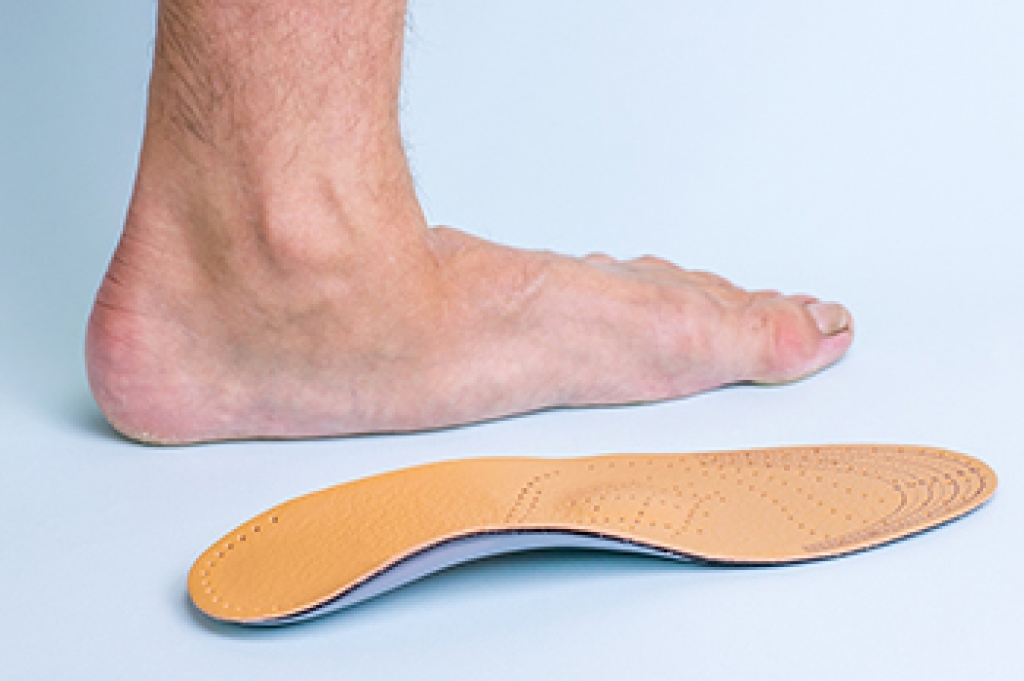
Arch-support insoles are specifically designed to contour to the foot and provide targeted support beneath the arch. This helps reduce overpronation and promotes better alignment during walking and standing. These insoles can be especially beneficial for individuals experiencing pain or instability. Flat insoles, on the other hand, focus on cushioning and shock absorption without correcting arch position. While they may improve comfort in the short term, they do not address the underlying mechanics of flat feet.


In general, arch-support and flat insoles serve different purposes, but individuals with flat feet often benefit more from structured support. Selecting the right insole can improve comfort, reduce strain, and support overall foot health. If you have pain from flat feet and are considering insoles, it is suggested that you consult a podiatrist for guidance on the proper insoles to wear.

If you are having discomfort in your feet and would like to try orthotics, contact Dr. John C. Lawlor from Florida. Our doctor can provide the care you need to keep you pain-free and on your feet.

What Are Orthotics?

Orthotics are inserts you can place into your shoes to help with a variety of foot problems such as flat feet or foot pain. Orthotics provide relief and comfort for minor foot and heel pain but can’t correct serious biomechanical problems in your feet.

Over-the-Counter Inserts

Orthotics come in a wide variety of over-the-counter inserts that are used to treat foot pain, heel pain, and minor problems. For example, arch supports can be inserted into your shoes to help correct overarched or flat feet, while gel insoles are often used because they provide comfort and relief from foot and heel pain by alleviating pressure.

Prescription Orthotics

If over-the-counter inserts don’t work for you or if you have a more severe foot concern, it is possible to have your podiatrist prescribe custom orthotics. These high-quality inserts are designed to treat problems such as abnormal motion, plantar fasciitis, and severe forms of heel pain. They can even be used to help patients suffering from diabetes by treating foot ulcers and painful calluses and are usually molded to your feet individually, which allows them to provide full support and comfort.

If you are experiencing minor to severe foot or heel pain, it’s recommended to speak with your podiatrist about the possibilities of using orthotics. A podiatrist can determine which type of orthotic is right for you and allow you to take the first steps towards being pain-free.

If you have any questions, please feel free to contact one of our our offices located in Cape Coral and LaBelle, FL . We offer the newest diagnostic and treatment technologies for all your foot care needs.
Read more about Foot Orthotics

Reasons Cracked Heels Develop

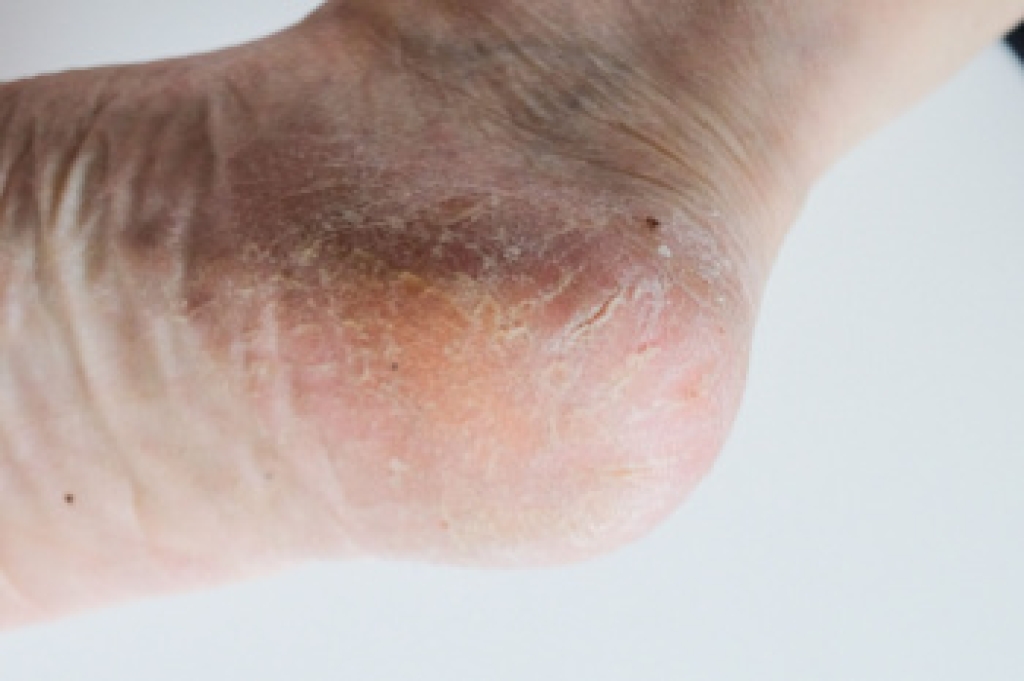
Cracked heels are splits in the heel that develop when dry or thickened skin loses flexibility. This condition can cause discomfort, and, in more severe cases, pain with walking. Common causes include wearing open back footwear, aging skin that loses moisture, and weight gain that increases pressure on the heels, in addition to vitamin deficiency, and long periods of standing. Symptoms may include dry, rough skin, flaking, and visible cracks that can deepen over time. Risk factors include poor foot care and lack of proper hydration for the skin. A podiatrist can safely treat cracked heels and recommend moisturizing and protective solutions. If your cracked heels are painful or worsening, it is suggested that you consult a podiatrist who can offer effective relief and treatment solutions, which may include prescribed medication.

If the skin on your feet starts to crack, you may want to see a podiatrist to find treatment. If you have any concerns, contact Dr. John C. Lawlor from Florida. Our doctor can provide the care you need to keep you pain-free and on your feet.

Cracked Heels

It is important to moisturize your cracked heels in order to prevent pain, bleeding, and infection. The reason cracked heels form is because the skin on the foot is too dry to support the immense pressure placed on them. When the foot expands, the dry skin on the foot begins to split.

Ways to Help Heal Them

  • Invest in a good foot cream
  • Try Using Petroleum Jelly
  • Ease up on Soaps
  • Drink Plenty of Water

Ways to Prevent Cracked Heels

  • Moisturize After Showering
  • Skip a Shower
  • Keep Shower Water Lukewarm
  • Don’t Scrub Your Feet

If you are unsure how to proceed in treating cracked heels, seek guidance from a podiatrist. Your doctor will help you with any questions or information you may need. 

If you have any questions, please feel free to contact one of our our offices located in Cape Coral and LaBelle, FL . We offer the newest diagnostic and treatment technologies for all your foot care needs.

Read more about Solutions for Cracked Heels

Are You Suffering From Nerve Damage?

Neuropathy is a condition that can lead to numbness or loss of sensation in the feet, but it can also cause pain. This condition is more likely to develop for those who are diabetic, obese, or with high blood pressure.

Connect with us