Our Cape Coral office has been moved to 326 Del Prado Blvd N, Suite 201, Cape Coral, FL 33990

Blog

How to Protect Your Feet During the Summer

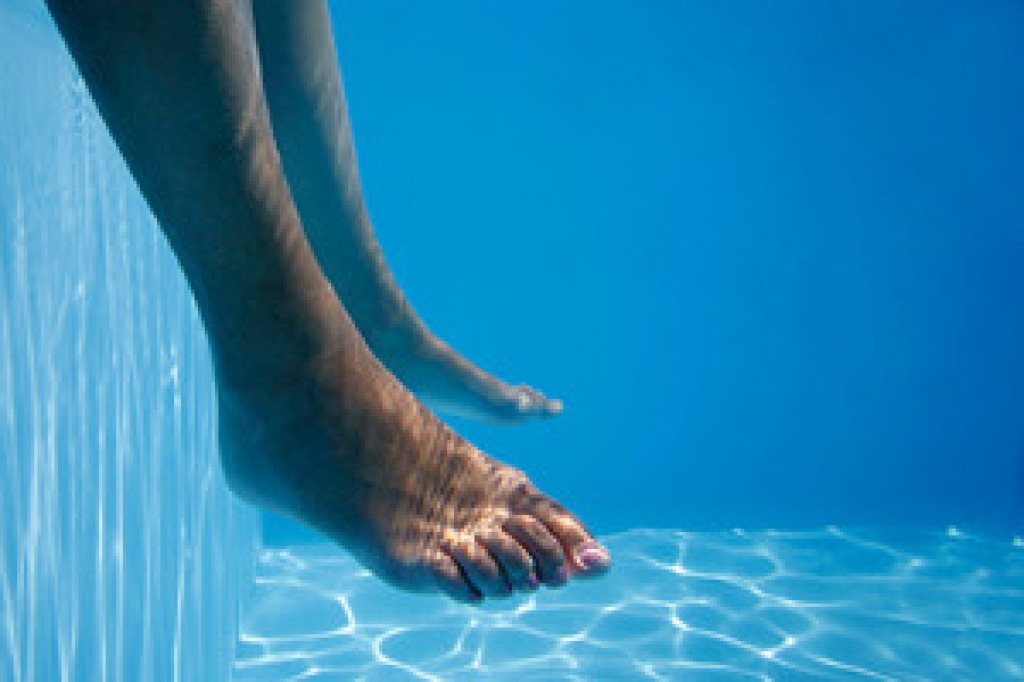
During the summer months, you may be involved in many different types of activities. Consequently, you should ensure you are wearing the best footwear possible to take care of your feet no matter where you go. If you plan on going to the beach, flip flops may be the most obvious choice of footwear to protect your feet. However, you should be careful not to wear flip-flops for too long. Although they can protect your feet from sharp objects on the ground, they can also be responsible for injuries such as ankle sprains. If you decide to go into the ocean after walking around on a sandy beach, it is recommended that you wear a pair of aqua socks to shield your feet from fragments and rocks. Another place that you may find yourself at in the warmer months is a water park. Water-friendly sandals are recommended for water parks because they can protect your feet from developing athlete’s foot and other fungal infections. Athlete’s foot is a contagious fungal infection that can easily be spread by walking on contaminated floors.

Everyday foot care is very important to prevent infection and other foot ailments. If you need your feet checked, contact Dr. John C. Lawlor from Florida. Our doctor can provide the care you need to keep you pain-free and on your feet.

Everyday Foot Care

Often, people take care of their bodies, face and hair more so than they do for their feet. But the feet are a very important aspect of our bodies, and one that we should pay more attention to. Without our feet, we would not be able to perform most daily tasks.

It is best to check your feet regularly to make sure there are no new bruises or cuts that you may not have noticed before. For dry feet, moisturizer can easily be a remedy and can be applied as often as necessary to the affected areas. Wearing shoes that fit well can also help you maintain good foot health, as well as making it easier to walk and do daily activities without the stress or pain of ill-fitting shoes, high heels, or even flip flops. Wearing clean socks with closed shoes is important to ensure that sweat and bacteria do not accumulate within the shoe. Clean socks help to prevent Athlete’s foot, fungi problems, bad odors, and can absorb sweat.

If you have any questions, please feel free to contact one of our our offices located in Cape Coral and LaBelle, FL . We offer the newest diagnostic and treatment technologies for all your foot care needs.

Read more about Every Day Foot Care

How to Avoid Athlete’s Foot at the Gym

Athlete’s foot is a fungal infection that can be picked up in gyms. One of the best ways to avoid getting athlete’s foot is to shower at home instead of at the gym. However, if you do opt to shower right after your workout at the gym, you should wear shower shoes or flip flops so that your feet are not exposed to the fungi on the floor. Shower stall floors are the perfect host for different types of fungus that can enter your body through tiny cuts and openings in the skin. If you notice that the gym shower you use has mold on the floors, you should immediately inform the gym and you should not return until the mold is cleaned. If you notice that your gym may be unsanitary it is best that you find a new place to workout.

Athlete’s Foot

Athlete’s foot is often an uncomfortable condition to experience. Thankfully, podiatrists specialize in treating athlete’s foot and offer the best treatment options. If you have any questions about athlete’s foot, consult with Dr. John C. Lawlor from Florida. Our doctor will assess your condition and provide you with quality treatment.

What Is Athlete’s Foot?

Tinea pedis, more commonly known as athlete’s foot, is a non-serious and common fungal infection of the foot. Athlete’s foot is contagious and can be contracted by touching someone who has it or infected surfaces. The most common places contaminated by it are public showers, locker rooms, and swimming pools. Once contracted, it grows on feet that are left inside moist, dark, and warm shoes and socks.

Prevention

The most effective ways to prevent athlete’s foot include:

  • Thoroughly washing and drying feet
  • Avoid going barefoot in locker rooms and public showers
  • Using shower shoes in public showers
  • Wearing socks that allow the feet to breathe
  • Changing socks and shoes frequently if you sweat a lot

Symptoms

Athlete’s foot initially occurs as a rash between the toes. However, if left undiagnosed, it can spread to the sides and bottom of the feet, toenails, and if touched by hand, the hands themselves. Symptoms include:

  • Redness
  • Burning
  • Itching
  • Scaly and peeling skin

Diagnosis and Treatment

Diagnosis is quick and easy. Skin samples will be taken and either viewed under a microscope or sent to a lab for testing. Sometimes, a podiatrist can diagnose it based on simply looking at it. Once confirmed, treatment options include oral and topical antifungal medications.

If you have any questions, please feel free to contact one of our our offices located in Cape Coral and LaBelle, FL . We offer the newest diagnostic and treatment technologies for all your foot care needs.

Read more about Athlete's Foot

Manager Gives Boy with Clubfoot a Pair of Shoes

An 8-year-old boy named Landon from Minnesota was born with a condition called clubfoot. Clubfoot is a birth defect that causes the foot to be twisted out of shape. In Landon’s specific case, his foot is turned up and in. Throughout his life, he has worn several foot braces and casts to try to correct the alignment of his foot. Unfortunately, the casts stunted the growth of Landon’s foot, which made shoe shopping difficult for him. One of his feet is a size three, while the other is a size six. Consequently, Landon’s mother would be forced to buy two pairs of shoes and take one shoe from each pair for Landon’s feet. When the young boy and his mother discovered this problem at a shoe store in Minnesota, the store manager offered to buy one pair of shoes for the boy. The news of this act of kindness went viral on social media, gaining 2,000 shares in less than 24 hours.

Making sure that your children maintain good foot health is very important as they grow. If you have any questions, contact Dr. John C. Lawlor of Florida. Our doctor can provide the care you need to keep you pain-free and on your feet.

Keeping Children's Feet Healthy

Having healthy feet during childhood can help prevent medical problems later in life, namely in the back and legs. As children grow, their feet require different types of care. Here are some things to consider...

Although babies do not walk yet, it is still very important to take care of their feet.

Avoid putting tight shoes or socks on his or her feet.

Allow the baby to stretch and kick his or her feet to feel comfortable.

As a toddler, kids are now on the move and begin to develop differently. At this age, toddlers are getting a feel for walking, so don’t be alarmed if your toddler is unsteady or ‘walks funny’. 

As your child gets older, it is important to teach them how to take care of their feet.

Show them proper hygiene to prevent infections such as fungus.

Be watchful for any pain or injury.

Have all injuries checked by a doctor as soon as possible.

Comfortable, protective shoes should always be worn, especially at play.

If you have any questions, please feel free to contact one of our our offices located in Cape Coral and LaBelle, FL . We offer the newest diagnostic and treatment technologies for all your foot care needs.

Read more about What to Do to Keep Your Child’s Feet Healthy

What are Fissures?

The skin condition referred to as cracked heels may be a result of several different causes. If the shoes that are worn do not have adequate padding in the heel area, the skin on the heels may become dry and form fissures, which are deep cracks in the skin. Some people develop this condition because of their style of walking, and possibly from standing for extended periods of time. Additionally, specific skin conditions may be a contributing factor and these may include psoriasis or eczema, which typically causes the skin to become dry. Wearing sandals without a back may often cause the formation of cracked heels, and this condition may cause discomfort and pain. If you are afflicted with this ailment, it may be beneficial to wash and dry the feet thoroughly followed by utilizing a good moisturizer. For more severe cases, it’s suggested to speak with a podiatrist for correct treatment options.

If the skin on your feet starts to crack, you may want to see a podiatrist to find treatment. If you have any concerns, contact Dr. John C. Lawlor from Florida. Our doctor can provide the care you need to keep you pain-free and on your feet.

Cracked Heels

It is important to moisturize your cracked heels in order to prevent pain, bleeding, and infection. The reason cracked heels form is because the skin on the foot is too dry to support the immense pressure placed on them. When the foot expands, the dry skin on the foot begins to split.

Ways to Help Heal Them

  • Invest in a good foot cream
  • Try Using Petroleum Jelly
  • Ease up on Soaps
  • Drink Plenty of Water

Ways to Prevent Cracked Heels

  • Moisturize After Showering
  • Skip a Shower
  • Keep Shower Water Lukewarm
  • Don’t Scrub Your Feet

If you are unsure how to proceed in treating cracked heels, seek guidance from a podiatrist. Your doctor will help you with any questions or information you may need. 

If you have any questions, please feel free to contact one of our our offices located in Cape Coral and LaBelle, FL . We offer the newest diagnostic and treatment technologies for all your foot care needs.

Read more about Solutions for Cracked Heels
Connect with us