Our Cape Coral office has been moved to 326 Del Prado Blvd N, Suite 201, Cape Coral, FL 33990

Blog

Bunion Basics and Foot Changes

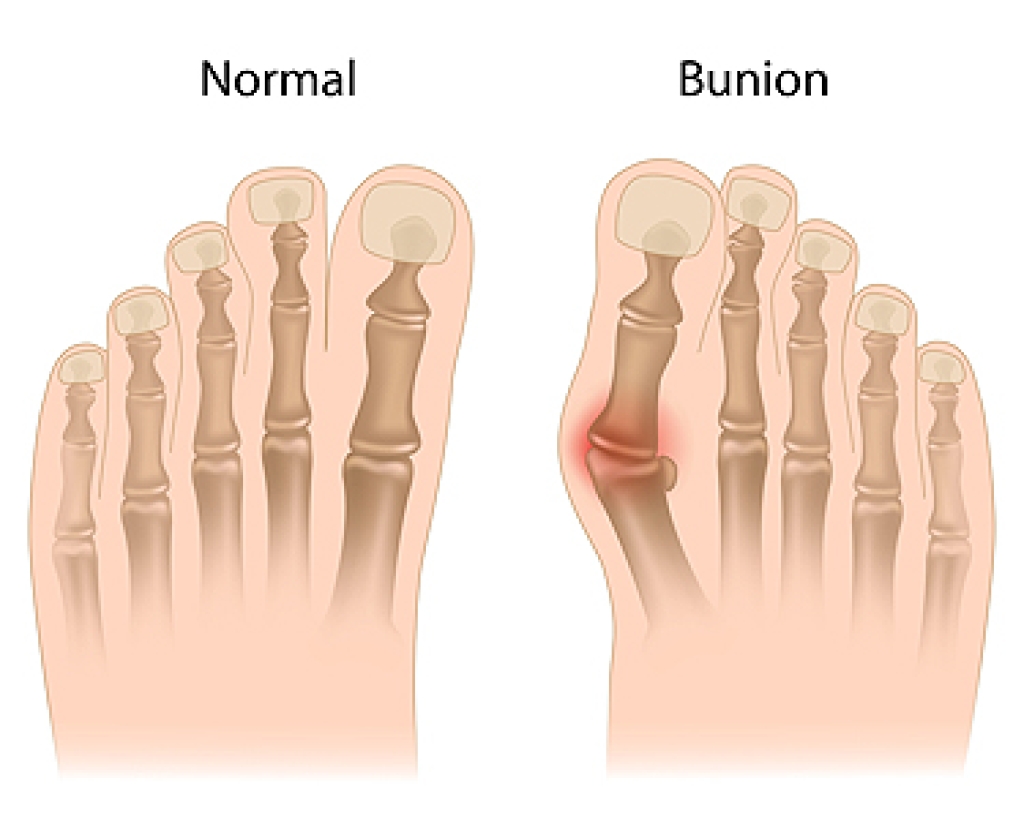
A bunion is a bony bump that forms at the base of the big toe when the joint shifts out of alignment. It often appears as the toe leans toward the second toe, while the joint becomes prominent and swollen. This condition can develop due to inherited foot structure, flat feet, or joint instability. Wearing tight or narrow shoes may worsen the problem, especially in people who already have risk factors. Common symptoms include pain, redness, stiffness, and difficulty wearing certain shoes. As the bunion progresses, walking may become uncomfortable, and balance can be affected. A podiatrist can assess the severity and order X-rays and other imaging if needed. Treatment options include custom orthotics or surgical correction to restore alignment and reduce pain. If you have developed a bunion, it is suggested that you are under the care of a podiatrist who can help you to manage this type of foot deformity.

If you are suffering from bunions, contact Dr. John C. Lawlor of Florida. Our doctor can provide the care you need to keep you pain-free and on your feet.

What Is a Bunion?

A bunion is formed of swollen tissue or an enlargement of boney growth, usually located at the base joint of the toe that connects to the foot. The swelling occurs due to the bones in the big toe shifting inward, which impacts the other toes of the foot. This causes the area around the base of the big toe to become inflamed and painful.

Why Do Bunions Form?

Genetics – Susceptibility to bunions are often hereditary

Stress on the feet – Poorly fitted and uncomfortable footwear that places stress on feet, such as heels, can worsen existing bunions

How Are Bunions Diagnosed?

Podiatrists often perform two tests – blood tests and x-rays – when trying to diagnose bunions, especially in the early stages of development. Blood tests help determine if the foot pain is being caused by something else, such as arthritis, while x-rays provide a clear picture of your bone structure to your provider.

How Are Bunions Treated?

  • Refrain from wearing heels or similar shoes that cause discomfort
  • Select wider shoes that can provide more comfort and reduce pain
  • Anti-inflammatory and pain management drugs
  • Orthotics or foot inserts
  • Surgery

If you have any questions, please feel free to contact one of our our offices located in Cape Coral and LaBelle, FL . We offer the newest diagnostic and treatment technologies for all your foot care needs.

Read more about Bunions

Possible Reasons Why Hammertoe Develops

Mallet toe is another name for the foot condition that is known as hammertoe. It is an ailment that prevents the toes from straightening out, and they can bend at a downward angle. The toes that are generally affected are the second, third, or fourth toes, and in severe cases, surgery may be necessary to restore the toes back to a normal position. The reasons many patients develop hammertoe can include wearing shoes that do not fit correctly, an abnormality in the toe muscles and tendons, or medical conditions such as arthritis. Calluses or corns may form on top of the affected toes, and this can be a result of excess friction that is caused by wearing tight shoes. If you notice the first stages of hammertoe developing, it is strongly suggested that you speak to a podiatrist, who can determine what the best course of treatment is for you.

Hammertoes can be a painful condition to live with. For more information, contact Dr. John C. Lawlor of Florida. Our doctor will answer any of your foot- and ankle-related questions.

Hammertoe

Hammertoe is a foot deformity that occurs due to an imbalance in the muscles, tendons, or ligaments that normally hold the toe straight. It can be caused by the type of shoes you wear, your foot structure, trauma, and certain disease processes.

Symptoms

  • Painful and/or difficult toe movement
  • Swelling
  • Joint stiffness
  • Calluses/Corns
  • Physical deformity

Risk Factors

  • Age – The risk of hammertoe increases with age
  • Sex – Women are more likely to have hammertoe compared to men
  • Toe Length – You are more likely to develop hammertoe if your second toe is longer than your big toe
  • Certain Diseases – Arthritis and diabetes may make you more likely to develop hammertoe

Treatment

If you have hammertoe, you should change into a more comfortable shoe that provides enough room for your toes. Exercises such as picking up marbles may strengthen and stretch your toe muscles. Nevertheless, it is important to seek assistance from a podiatrist in order to determine the severity of your hammertoe and see which treatment option will work best for you.

If you have any questions, please feel free to contact one of our our offices located in Cape Coral and LaBelle, FL . We offer the newest diagnostic and treatment technologies for all your foot care needs.
Read more about What Are Hammertoes?

Understanding Pronation and Supination in the Feet

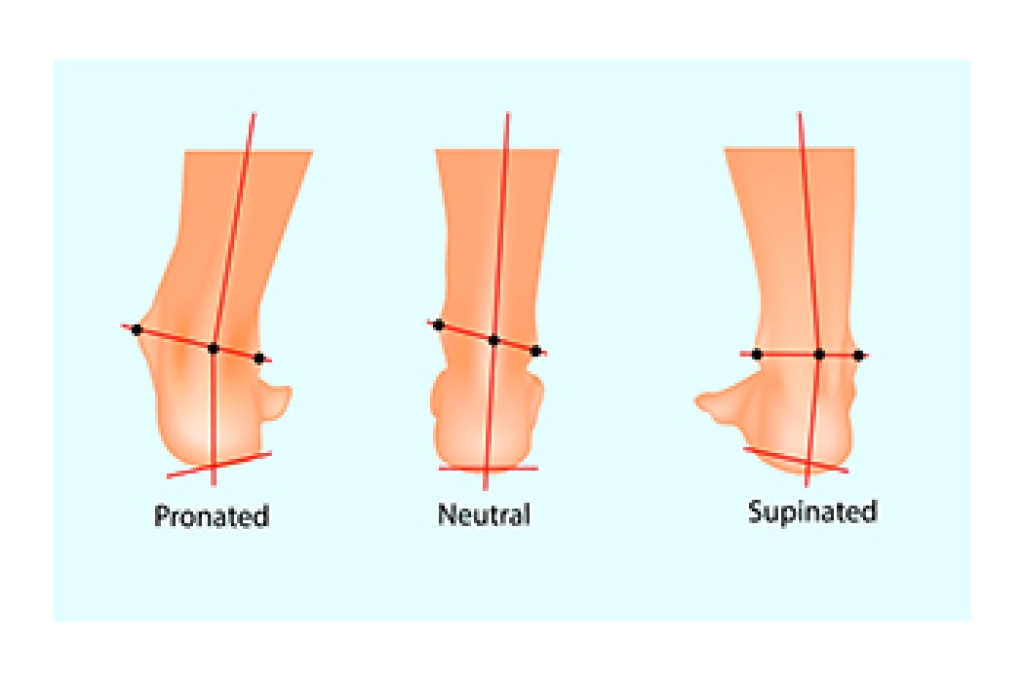
Pronation and supination describe how the feet move while walking. Pronation occurs when the foot rolls slightly inward after the heel touches the ground. This movement helps absorb shock and spread body weight more evenly. With supination, the foot rolls outward and places more pressure on the outer edge of the foot. A small amount of both movements is normal, but too much can lead to pain and balance problems. Excessive pronation can place stress on the arches, heels, and ankles. Too much supination is more common in people with high arches and can reduce the foot’s ability to absorb impact. Signs of gait problems include uneven shoe wear, foot fatigue, and pain in the ankles or heels. A podiatrist can examine how your feet move while walking and recommend supportive shoes, custom orthotics, or other treatment options. If you have gait problems that are causing pain, it is suggested that you make an appointment with a podiatrist. 

If you have any concerns about your feet, contact Dr. John C. Lawlor from Florida. Our doctor can provide the care you need to keep you pain-free and on your feet.

Biomechanics in Podiatry

Podiatric biomechanics is a particular sector of specialty podiatry with licensed practitioners who are trained to diagnose and treat conditions affecting the foot, ankle and lower leg. Biomechanics deals with the forces that act against the body, causing an interference with the biological structures. It focuses on the movement of the ankle, the foot and the forces that interact with them.

A History of Biomechanics

  • Biomechanics dates back to the BC era in Egypt where evidence of professional foot care has been recorded.
  • In 1974, biomechanics gained a higher profile from the studies of Merton Root, who claimed that by changing or controlling the forces between the ankle and the foot, corrections or conditions could be implemented to gain strength and coordination in the area.

Modern technological improvements are based on past theories and therapeutic processes that provide a better understanding of podiatric concepts for biomechanics. Computers can provide accurate information about the forces and patterns of the feet and lower legs.

Understanding biomechanics of the feet can help improve and eliminate pain, stopping further stress to the foot.

If you have any questions please feel free to contact one of our our offices located in Cape Coral and LaBelle, FL . We offer the newest diagnostic and treatment technologies for all your foot and ankle needs.

Read more about Biomechanics in Podiatry

Safe Toenail Trimming as You Age

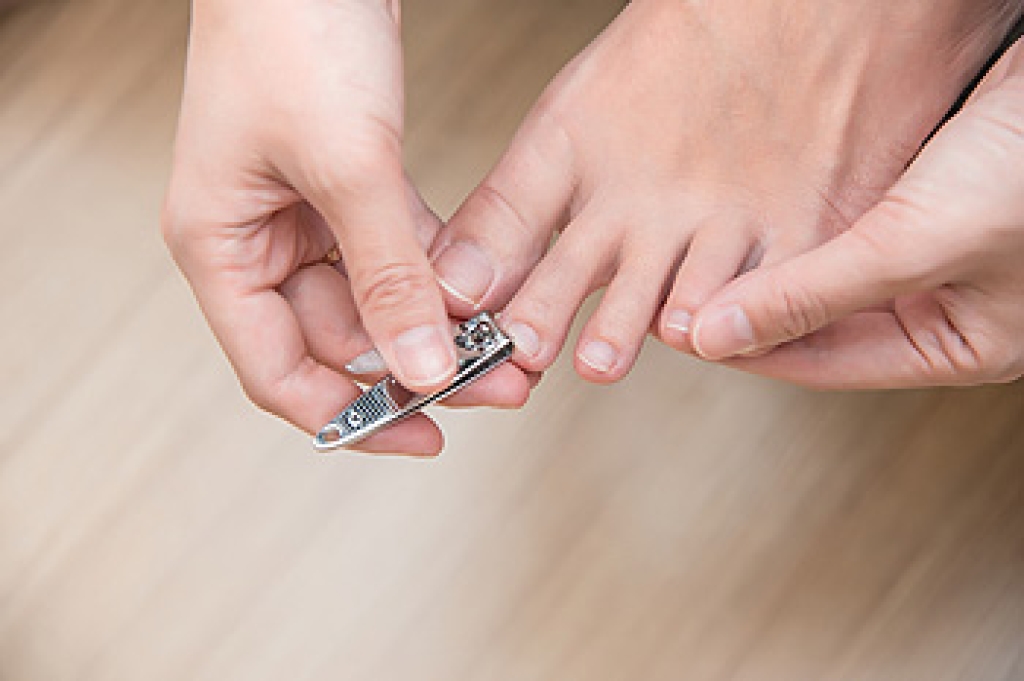
Toenail trimming is a basic part of foot care, but it can become more difficult with age. Reduced flexibility, joint stiffness, and vision changes can make it harder to reach the feet or see the nails clearly. This may lead to nails being cut unevenly or too short, which can cause pain or increase the risk of ingrown nails and infection. Thickened nails are also more common with age, adding another challenge. What begins as a simple task can turn into a source of discomfort if not done properly. A podiatrist can safely trim nails, assess nail health, and identify early signs of fungal infection or other concerns. Regular visits can help prevent complications and maintain comfort while walking. If you have developed toenail problems or if it has become difficult to properly trim your nails, it is suggested that you consult a podiatrist who can help you with this important task. 

Everyday foot care is very important to prevent infection and other foot ailments. If you need your feet checked, contact Dr. John C. Lawlor from Florida. Our doctor can provide the care you need to keep you pain-free and on your feet.

Everyday Foot Care

Often, people take care of their bodies, face and hair more so than they do for their feet. But the feet are a very important aspect of our bodies, and one that we should pay more attention to. Without our feet, we would not be able to perform most daily tasks.

It is best to check your feet regularly to make sure there are no new bruises or cuts that you may not have noticed before. For dry feet, moisturizer can easily be a remedy and can be applied as often as necessary to the affected areas. Wearing shoes that fit well can also help you maintain good foot health, as well as making it easier to walk and do daily activities without the stress or pain of ill-fitting shoes, high heels, or even flip flops. Wearing clean socks with closed shoes is important to ensure that sweat and bacteria do not accumulate within the shoe. Clean socks help to prevent Athlete’s foot, fungi problems, bad odors, and can absorb sweat.

If you have any questions, please feel free to contact one of our our offices located in Cape Coral and LaBelle, FL . We offer the newest diagnostic and treatment technologies for all your foot care needs.

Read more about Everyday Foot Care

Keep Your Feet Healthy So You Can Stay Active

Have your feet inspected by a professional before starting a new sport or physical activity. Taking charge of your foot health will keep you in good physical condition and can help you avoid a potential injury, such as a fracture or sprained ankle.

Prevent injuries and see a foot specialist.

Connect with us