Our Cape Coral office has been moved to 326 Del Prado Blvd N, Suite 201, Cape Coral, FL 33990

Blog

Foot Wound Healing and How to Support It

Foot wounds can heal well with the right care and attention. Healing happens in stages. First is inflammation, when the body works to stop bleeding and prevent infection. Next is the rebuilding phase, where new tissue and blood vessels form. The final stage is remodeling, when the skin strengthens and returns closer to normal. Several factors can slow healing. Poor circulation, diabetes, infection, and pressure on the wound can all interfere. Smoking and poor nutrition may also delay progress. Keeping the wound clean, protected, and offloaded is important for recovery. Early care and checkups can help prevent complications and support healing. Watch for signs like increased redness, swelling, drainage, or pain. If healing seems slow or symptoms worsen, it is suggested you schedule an appointment with a podiatrist for a proper diagnosis and appropriate treatment.

Wound care is an important part in dealing with diabetes. If you have diabetes and a foot wound or would like more information about wound care for diabetics, consult with Dr. John C. Lawlor from Florida. Our doctor will assess your condition and provide you with quality foot and ankle treatment.

What Is Wound Care?

Wound care is the practice of taking proper care of a wound. This can range from the smallest to the largest of wounds. While everyone can benefit from proper wound care, it is much more important for diabetics. Diabetics often suffer from poor blood circulation which causes wounds to heal much slower than they would in a non-diabetic. 

What Is the Importance of Wound Care?

While it may not seem apparent with small ulcers on the foot, for diabetics, any size ulcer can become infected. Diabetics often also suffer from neuropathy, or nerve loss. This means they might not even feel when they have an ulcer on their foot. If the wound becomes severely infected, amputation may be necessary. Therefore, it is of the upmost importance to properly care for any and all foot wounds.

How to Care for Wounds

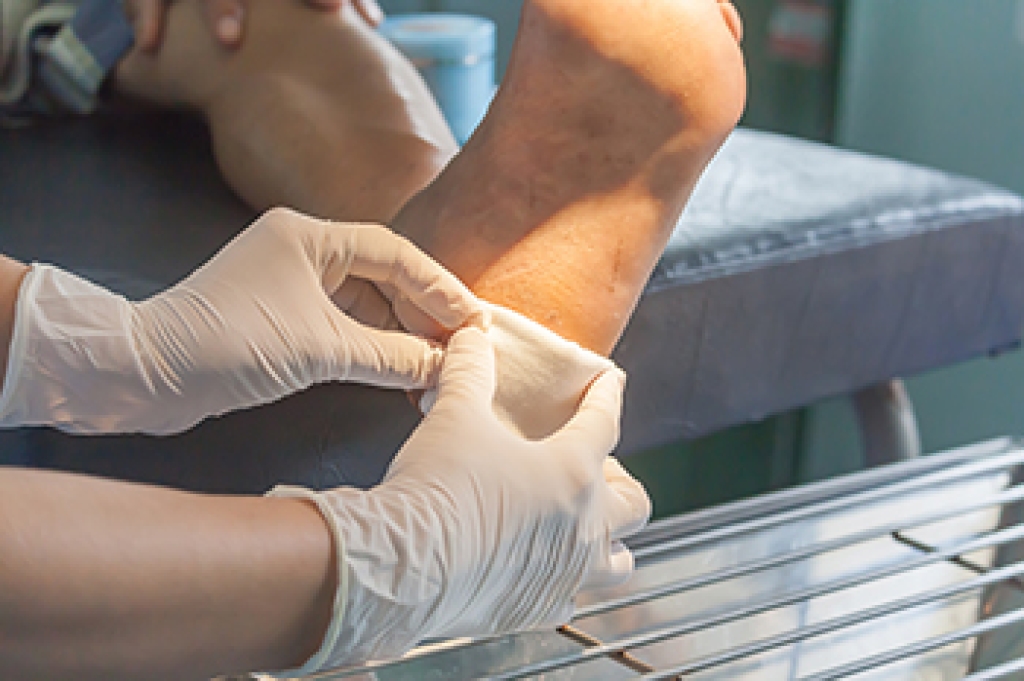
The best way to care for foot wounds is to prevent them. For diabetics, this means daily inspections of the feet for any signs of abnormalities or ulcers. It is also recommended to see a podiatrist several times a year for a foot inspection. If you do have an ulcer, run the wound under water to clear dirt from the wound; then apply antibiotic ointment to the wound and cover with a bandage. Bandages should be changed daily and keeping pressure off the wound is smart. It is advised to see a podiatrist, who can keep an eye on it.

If you have any questions please contact one of our our offices located in Cape Coral and LaBelle, FL . We offer the newest diagnostic and treatment technologies for all your foot and ankle needs.

Read more about Wound Care

Why Feet May Stay Larger After Pregnancy

Many women notice that their feet remain larger after pregnancy due to physical changes that occur during this time. Increased body weight places added stress on the feet, which can cause the arches to flatten and lengthen. Hormonal changes also play a role by relaxing ligaments, including those in the sole, leading to permanent structural changes. This added strain can result in discomfort, fatigue, and difficulty finding properly fitting shoes. Risk factors include multiple pregnancies, significant weight gain, and prolonged standing. These changes may also affect overall foot function and alignment, if not addressed. A podiatrist can evaluate these changes, recommend supportive footwear, and provide custom orthotics to improve comfort and stability. If you have noticed any uncomfortable changes in your feet during or after your pregnancy, it is suggested that you consult a podiatrist who can offer relief remedies with personalized care.

Pregnant women with swollen feet can be treated with a variety of different methods that are readily available. For more information about other cures for swollen feet during pregnancy, consult with Dr. John C. Lawlor from Florida. Our doctor will attend to all of your foot and ankle needs.

What Foot Problems Can Arise During Pregnancy?

One problem that can occur is overpronation, which occurs when the arch of the foot flattens and tends to roll inward.  This can cause pain and discomfort in your heels while you’re walking or even just standing up, trying to support your baby.  

Another problem is edema, or swelling in the extremities. This often affects the feet during pregnancy but tends to occur in the later stages. 

How Can I Keep My Feet Healthy During Pregnancy?

  • Wearing orthotics can provide extra support for the feet and help distribute weight evenly
  • Minimize the amount of time spent walking barefoot
  • Wear shoes with good arch support
  • Wear shoes that allow for good circulation to the feet
  • Elevate feet if you experience swelling
  • Massage your feet
  • Get regular, light exercise, such as walking, to promote blood circulation to the feet

If you have any questions, please feel free to contact one of our our offices located in Cape Coral and LaBelle, FL . We offer the newest diagnostic and treatment technologies for all your foot care needs.

Read more about Pregnancy and Foot Health

Foot Pain With Morton’s Neuroma

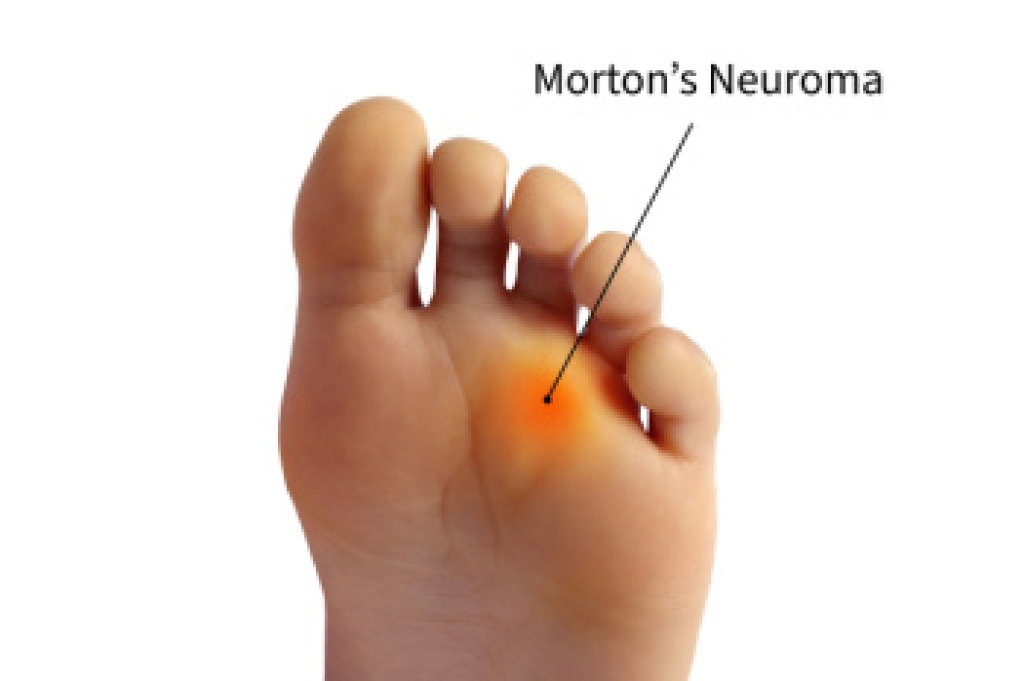
Morton’s neuroma is a painful condition affecting a nerve between the toes, most often between the third and fourth toes. The tissue surrounding the nerve thickens, which can cause burning pain, tingling, or the feeling of a pebble in the shoe. This problem is often linked to wearing tight footwear, high heels, or repeated stress on the foot. Treatment usually begins with simple care. Wearing wider shoes, using orthotics, and reducing pressure on the area can ease symptoms. Injections, including anti-inflammatory medicine, often help reduce swelling and pain around the nerve. If these treatments do not provide lasting relief, a surgical procedure to remove the affected nerve or release tight tissue may be considered. If you have foot pain, it is suggested that you see a podiatrist for a proper evaluation and appropriate treatment.

Morton’s neuroma is a very uncomfortable condition to live with. If you think you have Morton’s neuroma, contact Dr. John C. Lawlor of Florida. Our doctor will attend to all of your foot care needs and answer any of your related questions.  

Morton’s Neuroma

Morton's neuroma is a painful foot condition that commonly affects the areas between the second and third or third and fourth toe, although other areas of the foot are also susceptible. Morton’s neuroma is caused by an inflamed nerve in the foot that is being squeezed and aggravated by surrounding bones.

What Increases the Chances of Having Morton’s Neuroma?

  • Ill-fitting high heels or shoes that add pressure to the toe or foot
  • Jogging, running or any sport that involves constant impact to the foot
  • Flat feet, bunions, and any other foot deformities

Morton’s neuroma is a very treatable condition. Orthotics and shoe inserts can often be used to alleviate the pain on the forefront of the feet. In more severe cases, corticosteroids can also be prescribed. In order to figure out the best treatment for your neuroma, it’s recommended to seek the care of a podiatrist who can diagnose your condition and provide different treatment options.

If you have any questions, please feel free to contact one of our our offices located in Cape Coral and LaBelle, FL . We offer the newest diagnostic and treatment technologies for all your foot care needs.

Read more about Morton's Neuroma

We Can Treat Your Foot or Ankle Pain

Foot or ankle pain can negatively affect your day-to-day life and can occur due to several different conditions. Pain can also be an indicator of a more serious underlying condition, which is why you should seek professional help as soon as you notice any abnormalities in your feet.

Pros and Cons of Ankle Fusion Surgery

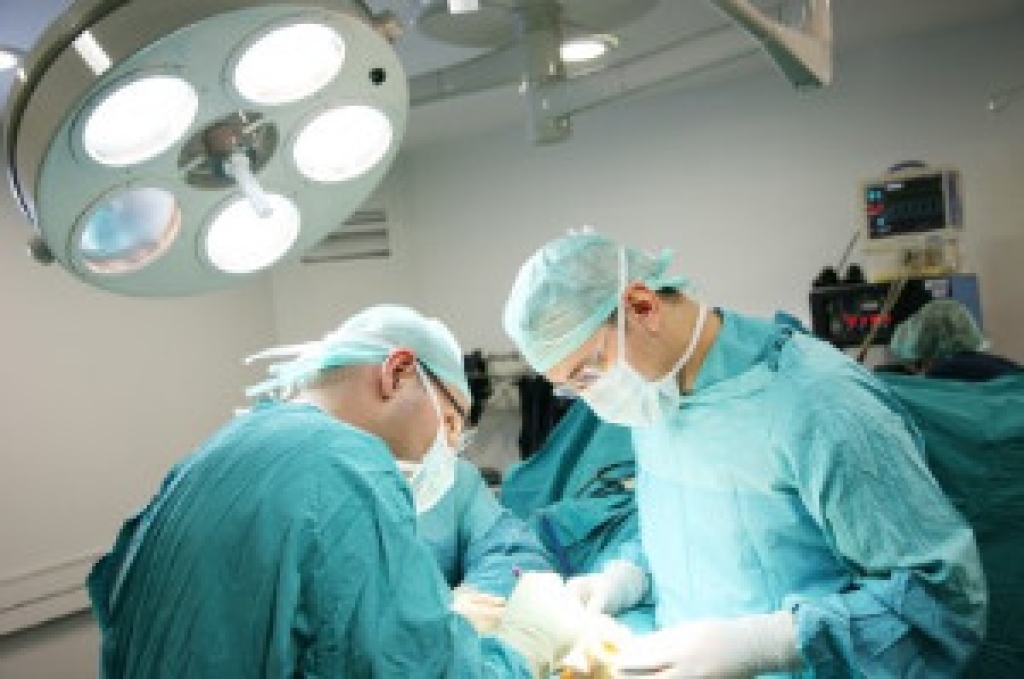
Ankle fusion surgery is used to treat severe ankle pain, often caused by advanced osteoarthritis that damages the joint. In this procedure, the ankle bones are joined so the joint no longer moves. This can help to reduce pain by stopping bone-on-bone contact when you move. One of the main benefits of ankle fusion surgery is strong pain relief and improved stability, which can make standing and walking easier. However, there are important drawbacks. For instance, the ankle loses its natural motion, which can affect balance and change walking patterns. In addition, nearby joints may take on more stress, which can lead to additional discomfort. Recovery can take months, as the bones heal and fuse into one solid structure. A podiatrist can assess your symptoms, review X-rays, and determine if this procedure is the right option based on your condition. If you have severe ankle pain, it is suggested that you make an appointment with a podiatrist for help.

Foot surgery is sometimes necessary to treat a foot ailment. To learn more, contact Dr. John C. Lawlor of Florida. Our doctor will assist you with all of your foot and ankle needs.

When Is Surgery Necessary?

Foot and ankle surgery is generally reserved for cases in which less invasive, conservative procedures have failed to alleviate the problem. Some of the cases in which surgery may be necessary include:

  • Removing foot deformities like bunions and bone spurs
  • Severe arthritis that has caused bone issues
  • Cosmetic reconstruction

What Types of Surgery Are There?

The type of surgery you receive will depend on the nature of the problem you have. Some of the possible surgeries include:

  • Bunionectomy for painful bunions
  • Surgical fusion for realignment of bones
  • Neuropathy decompression surgery to treat nerve damage

Benefits of Surgery

Although surgery is usually a last resort, it can provide more complete pain relief compared to non-surgical methods and may allow you to finally resume full activity.

Surgical techniques have also become increasingly sophisticated. Techniques like endoscopic surgery allow for smaller incisions and faster recovery times.

If you have any questions, please feel free to contact one of our our offices located in Cape Coral and LaBelle, FL . We offer the newest diagnostic and treatment technologies for all your foot care needs.

Read more about Foot Surgery
Connect with us