March 2025
Tuesday, 25 March 2025 00:00
Why Your Heel Hurts in the Morning
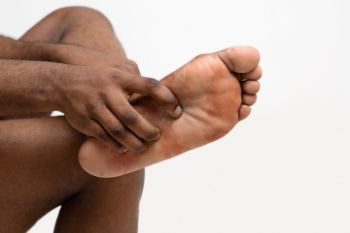
If you wake up and feel a sharp pain in your heel when you take your first steps, you are not alone. This is one of the telltale signs of plantar fasciitis, a common cause of heel pain. But why does it hurt most in the morning? While you sleep, your foot relaxes and the plantar fascia, a thick band of tissue running along the bottom of your foot, tightens. When you stand up, the tissue stretches suddenly, causing pain. Plantar fasciitis can happen to anyone, but it is especially common if you spend a lot of time on your feet, have flat feet or high arches, or wear shoes that lack adequate support. The good news is that early treatment can make a big difference. Simple stretches, better footwear, and custom orthotics can help. If heel pain is slowing you down, it is suggested that you see a podiatrist for a proper diagnosis and appropriate treatment.
Plantar fasciitis can be very painful and inconvenient. If you are experiencing heel pain or symptoms of plantar fasciitis, contact Dr. John C. Lawlor from Florida. Our doctor can provide the care you need to keep you pain-free and on your feet.
What Is Plantar Fasciitis?
Plantar fasciitis is the inflammation of the thick band of tissue that runs along the bottom of your foot, known as the plantar fascia, and causes mild to severe heel pain.
What Causes Plantar Fasciitis?
- Excessive running
- Non-supportive shoes
- Overpronation
- Repeated stretching and tearing of the plantar fascia
How Can It Be Treated?
- Conservative measures – anti-inflammatories, ice packs, stretching exercises, physical therapy, orthotic devices
- Shockwave therapy – sound waves are sent to the affected area to facilitate healing and are usually used for chronic cases of plantar fasciitis
- Surgery – usually only used as a last resort when all else fails. The plantar fascia can be surgically detached from the heel
While very treatable, plantar fasciitis is definitely not something that should be ignored. Especially in severe cases, speaking to your doctor right away is highly recommended to avoid complications and severe heel pain. Your podiatrist can work with you to provide the appropriate treatment options tailored to your condition.
If you have any questions please feel free to contact one of our our offices located in Cape Coral and LaBelle, FL . We offer the newest diagnostic and treatment technologies for all your foot and ankle needs.
Tuesday, 18 March 2025 00:00
Common Causes of Foot Pain When Walking

Foot pain while walking can result from various conditions that affect the muscles, bones, and soft tissues. Overuse from prolonged standing, walking, or high-impact activities can lead to inflammation and soreness, making each step uncomfortable. Injuries such as sprains, fractures, or tendon strains may cause sharp or persistent pain, limiting mobility. Plantar fasciitis, a condition that affects the thick band of tissue on the bottom of the foot, often leads to stabbing heel pain, especially with the first steps in the morning. Metatarsalgia, which causes discomfort in the ball of the foot, can develop from excessive pressure or wearing unsupportive footwear. If you have foot pain that has increased while walking, it is suggested that you consult a podiatrist who can determine what the cause is, and offer appropriate treatment solutions.
Foot Pain
Foot pain can be extremely painful and debilitating. If you have a foot pain, consult with Dr. John C. Lawlor from Florida. Our doctor will assess your condition and provide you with quality foot and ankle treatment.
Causes
Foot pain is a very broad condition that could be caused by one or more ailments. The most common include:
- Bunions
- Hammertoes
- Plantar Fasciitis
- Bone Spurs
- Corns
- Tarsal Tunnel Syndrome
- Ingrown Toenails
- Arthritis (such as Gout, Rheumatoid, and Osteoarthritis)
- Flat Feet
- Injury (from stress fractures, broken toe, foot, ankle, Achilles tendon ruptures, and sprains)
- And more
Diagnosis
To figure out the cause of foot pain, podiatrists utilize several different methods. This can range from simple visual inspections and sensation tests to X-rays and MRI scans. Prior medical history, family medical history, and any recent physical traumatic events will all be taken into consideration for a proper diagnosis.
Treatment
Treatment depends upon the cause of the foot pain. Whether it is resting, staying off the foot, or having surgery; podiatrists have a number of treatment options available for foot pain.
If you have any questions, please feel free to contact one of our our offices located in Cape Coral and LaBelle, FL . We offer the newest diagnostic and treatment technologies for all your foot care needs.
Tuesday, 11 March 2025 00:00
Common Causes of Ankle Pain in Sports

Ankle pain is a frequent concern among athletes and can result from various conditions. Sprains occur when the ligaments supporting the ankle stretch or tear due to sudden twisting movements. Tendinitis develops from overuse, leading to inflammation and discomfort in the tendons surrounding the joint. Stress fractures, which are small cracks in the bone, often result from repetitive impact activities such as running or jumping. Arthritis can also contribute to ankle pain, causing stiffness and swelling that affect mobility over time. Footwear that lacks adequate support or cushioning increases the risk of these conditions by placing excessive strain on the ankle. Proper warm-ups, wearing supportive shoes, and strengthening exercises can help prevent injuries. If you have sprained your ankle, it is suggested that you promptly consult a podiatrist who can offer you appropriate treatment solutions.
Ankle pain can be caused by a number of problems and may be potentially serious. If you have ankle pain, consult with Dr. John C. Lawlor from Florida. Our doctor will assess your condition and provide you with quality foot and ankle treatment.
Ankle pain is any condition that causes pain in the ankle. Due to the fact that the ankle consists of tendons, muscles, bones, and ligaments, ankle pain can come from a number of different conditions.
Causes
The most common causes of ankle pain include:
- Types of arthritis (rheumatoid, osteoarthritis, and gout)
- Ankle sprains
- Broken ankles
- Achilles tendonitis
- Achilles tendon rupture
- Stress fractures
- Bursitis
- Tarsal tunnel syndrome
- Plantar fasciitis
Symptoms
Symptoms of ankle injury vary based upon the condition. Pain may include general pain and discomfort, swelling, aching, redness, bruising, burning or stabbing sensations, and/or loss of sensation.
Diagnosis
Due to the wide variety of potential causes of ankle pain, podiatrists will utilize a number of different methods to properly diagnose ankle pain. This can include asking for personal and family medical histories and of any recent injuries. Further diagnosis may include sensation tests, a physical examination, and potentially x-rays or other imaging tests.
Treatment
Just as the range of causes varies widely, so do treatments. Some more common treatments are rest, ice packs, keeping pressure off the foot, orthotics and braces, medication for inflammation and pain, and surgery.
If you have any questions, please feel free to contact one of our our offices located in Cape Coral and LaBelle, FL . We offer the newest diagnostic and treatment technologies for all your foot care needs.
Sunday, 09 March 2025 00:00
Why Live with Pain and Numbness in Your Feet?

Suffering from this type of pain? You may have the foot condition known as Morton's neuroma. Morton's neuroma may develop as a result of ill-fitting footwear and existing foot deformities. We can help.
Tuesday, 04 March 2025 00:00
How the Arches of the Foot Work
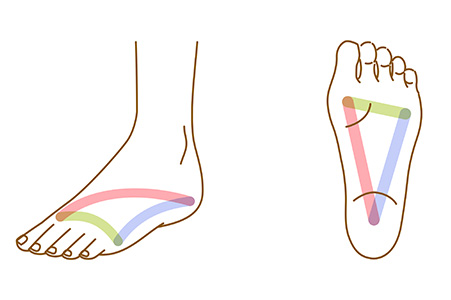
The arches of the foot play a significant role in movement, stability, and shock absorption. The foot has three arches, the medial longitudinal arch, the lateral longitudinal arch, and the transverse arch. These structures are formed by the tarsal and metatarsal bones and are supported by ligaments and tendons. The medial arch, which is the highest and most flexible, distributes weight and adapts to changes in terrain. The lateral arch is lower and provides stability, while the transverse arch helps maintain foot shape and balance. A well-functioning arch system allows efficient weight distribution and reduces strain on the joints. However, arch abnormalities can lead to pain and dysfunction. A low arch, or flat foot, often results in excessive foot pronation, which increases the risk of heel pain and arch discomfort. A high arch may reduce shock absorption, placing excessive pressure on the forefoot and heel. A podiatrist can evaluate your foot’s arch structure, diagnose potential issues, and provide treatment options like custom orthotics, or, in severe cases, surgery. If you are experiencing pain in the arch of your foot, it is suggested that you schedule an appointment with a podiatrist for an exam, diagnosis, and treatment options.
If you have any concerns about your feet, contact Dr. John C. Lawlor from Florida. Our doctor can provide the care you need to keep you pain-free and on your feet.
Biomechanics in Podiatry
Podiatric biomechanics is a particular sector of specialty podiatry with licensed practitioners who are trained to diagnose and treat conditions affecting the foot, ankle and lower leg. Biomechanics deals with the forces that act against the body, causing an interference with the biological structures. It focuses on the movement of the ankle, the foot and the forces that interact with them.
A History of Biomechanics
- Biomechanics dates back to the BC era in Egypt where evidence of professional foot care has been recorded.
- In 1974, biomechanics gained a higher profile from the studies of Merton Root, who claimed that by changing or controlling the forces between the ankle and the foot, corrections or conditions could be implemented to gain strength and coordination in the area.
Modern technological improvements are based on past theories and therapeutic processes that provide a better understanding of podiatric concepts for biomechanics. Computers can provide accurate information about the forces and patterns of the feet and lower legs.
Understanding biomechanics of the feet can help improve and eliminate pain, stopping further stress to the foot.
If you have any questions please feel free to contact one of our our offices located in Cape Coral and LaBelle, FL . We offer the newest diagnostic and treatment technologies for all your foot and ankle needs.