January 2025
Tuesday, 28 January 2025 00:00
Complex Foot and Ankle Injuries

Complex injuries of the foot and ankle involve multiple fractures, dislocations, or significant damage to soft tissues, such as ligaments, tendons, or nerves. These injuries are considered complex due to their intricate anatomy, weight-bearing function, and the challenge of restoring mobility, stability, and alignment. Polytrauma, where multiple injuries are affecting different areas of the body, can complicate foot and ankle injuries further, as they may be overlooked initially while treating life-threatening conditions. Such scenarios often occur in car accidents, falls, or severe sports injuries, where the foot and ankle are subject to extreme forces. Addressing complex injuries requires prompt medical attention from specialists such as podiatrists. Advanced imaging like CT or MRI scans may be necessary to fully assess the damage. Treatment typically involves surgery, targeted exercises, and long-term care to optimize recovery and restore function. If you have sustained any foot or ankle injury, it is strongly suggested that you seek care from a podiatrist.
Foot and ankle trauma is common among athletes and the elderly. If you have concerns that you may have experienced trauma to the foot and ankle, consult with Dr. John C. Lawlor from Florida. Our doctor will assess your condition and provide you with quality foot and ankle treatment.
Foot and ankle trauma cover a range of injuries all over the foot; common injuries include:
- Broken bones
- Muscle strains
- Injuries to the tendons and ligaments
- Stress fractures
Symptoms
Symptoms of foot and ankle injuries vary depending on the injury, but more common ones include:
- Bruising
- Inflammation/ Swelling
- Pain
Diagnosis
To properly diagnose the exact type of injury, podiatrists will conduct a number of different tests. Some of these include sensation and visual tests, X-rays, and MRIs. Medical and family histories will also be taken into account.
Treatment
Once the injury has been diagnosed, the podiatrist can than offer the best treatment options for you. In less severe cases, rest and keeping pressure off the foot may be all that’s necessary. Orthotics, such as a specially made shoes, or immobilization devices, like splints or casts, may be deemed necessary. Finally, if the injury is severe enough, surgery may be necessary.
If you have any questions, please feel free to contact one of our our offices located in Cape Coral and LaBelle, FL . We offer the newest diagnostic and treatment technologies for all your foot care needs.
Tuesday, 21 January 2025 00:00
Five Types of Ankle Injuries

There are five common types of ankle injuries, each of which can significantly impact mobility and require medical attention. The inversion sprain, caused by the ankle rolling inward, stretches the lateral ligaments and is the most frequent type of ankle injury. In contrast, an eversion sprain occurs when the foot twists outward, affecting the more stable medial ligaments, often resulting in a more severe injury. High ankle sprains involve the syndesmotic ligaments that connect the tibia and fibula and are typically seen in sports when the leg and foot twist outward. Fractures, which involve breaks in one or more ankle bones, can range from minor to severe, often requiring surgery and extensive recovery time. Lastly, an ankle dislocation occurs when the joint is forced out of alignment, frequently accompanied by fractures. This severe injury typically necessitates surgery to restore proper function. A podiatrist can assess these injuries, guide treatment plans, and monitor recovery to help patients regain strength and prevent future complications. If you have an ankle injury, it is suggested that you schedule an appointment with a podiatrist for an exam, diagnosis, and treatment.
Ankle pain can have many different causes and the pain may potentially be serious. If you have ankle pain, consult with Dr. John C. Lawlor from Florida. Our doctor will assess your condition and provide you with quality foot and ankle treatment.
Ankle pain is any condition that causes pain in the ankle. Due to the fact that the ankle consists of tendons, muscles, bones, and ligaments, ankle pain can come from a number of different conditions.
Causes
The most common causes of ankle pain include:
- Types of arthritis (rheumatoid, osteoarthritis, and gout)
- Ankle sprains
- Broken ankles
- Achilles tendinitis
- Achilles tendon rupture
- Stress fractures
- Tarsal tunnel syndrome
- Plantar fasciitis
Symptoms
Symptoms of ankle injury vary based upon the condition. Pain may include general pain and discomfort, swelling, aching, redness, bruising, burning or stabbing sensations, and/or loss of sensation.
Diagnosis
Due to the wide variety of potential causes of ankle pain, podiatrists will utilize a number of different methods to properly diagnose ankle pain. This can include asking for personal and family medical histories and of any recent injuries. Further diagnosis may include sensation tests, a physical examination, and potentially x-rays or other imaging tests.
Treatment
Just as the range of causes varies widely, so do treatments. Some more common treatments are rest, ice packs, keeping pressure off the foot, orthotics and braces, medication for inflammation and pain, and surgery.
If you have any questions, please feel free to contact one of our our offices located in Cape Coral and LaBelle, FL . We offer the newest diagnostic and treatment technologies for all your foot care needs.
Tuesday, 14 January 2025 00:00
Is Foot Pain Keeping You Up at Night?

Nighttime foot pain can disrupt sleep and make restful nights a challenge for many people. This type of discomfort frequently stems from plantar fasciitis, where the plantar fascia, the band of tissue along the bottom of the foot, becomes inflamed due to stress or overuse. Another potential cause is Morton’s neuroma, which occurs when the nerves between the toes are pinched, leading to sharp, burning sensations. Peripheral neuropathy, often linked to diabetes, may cause tingling, numbness, or stabbing pain during the night. Lifestyle factors, such as prolonged standing, wearing improper footwear, or other weight-bearing activities, can aggravate symptoms. Structural foot conditions, including flat feet or high arches, may increase susceptibility to nocturnal foot pain. A podiatrist can assess the underlying cause of nighttime foot pain and offer professional guidance on managing your symptoms. If frequent foot pain is interrupting your sleep, it is suggested that you schedule an appointment with a podiatrist for an exam and treatment options.
Foot Pain
Foot pain can be extremely painful and debilitating. If you have a foot pain, consult with Dr. John C. Lawlor from Florida. Our doctor will assess your condition and provide you with quality foot and ankle treatment.
Causes
Foot pain is a very broad condition that could be caused by one or more ailments. The most common include:
- Bunions
- Hammertoes
- Plantar Fasciitis
- Bone Spurs
- Corns
- Tarsal Tunnel Syndrome
- Ingrown Toenails
- Arthritis (such as Gout, Rheumatoid, and Osteoarthritis)
- Flat Feet
- Injury (from stress fractures, broken toe, foot, ankle, Achilles tendon ruptures, and sprains)
- And more
Diagnosis
To figure out the cause of foot pain, podiatrists utilize several different methods. This can range from simple visual inspections and sensation tests to X-rays and MRI scans. Prior medical history, family medical history, and any recent physical traumatic events will all be taken into consideration for a proper diagnosis.
Treatment
Treatment depends upon the cause of the foot pain. Whether it is resting, staying off the foot, or having surgery; podiatrists have a number of treatment options available for foot pain.
If you have any questions, please feel free to contact one of our our offices located in Cape Coral and LaBelle, FL . We offer the newest diagnostic and treatment technologies for all your foot care needs.
Wednesday, 08 January 2025 00:00
Get Professional Care for a Broken Foot or Ankle

Constant care and regular evaluation are important for a foot or ankle fracture. If left untreated, foot or ankle fractures can worsen over time and create more serious problems.
Don't wait to be examined if you believe you've experienced a foot or ankle fracture.
Tuesday, 07 January 2025 00:00
Facts About Heel Spurs
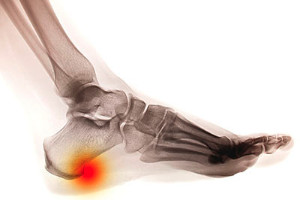
Heel spurs are bony growths that develop on the underside of the heel bone, typically as a result of prolonged stress or strain on the foot. The most common cause of heel spurs is plantar fasciitis, an inflammation of the tissue that connects the heel to the toes. Other factors that contribute to heel spurs include wearing improper footwear, obesity, repetitive activities that put pressure on the feet, and abnormal foot mechanics such as flat feet or high arches. While heel spurs themselves are often painless, they can lead to complications such as chronic pain, difficulty walking, and inflammation. In some cases, the spur may press on nearby nerves, causing sharp or shooting pain. If left untreated, heel spurs may limit mobility and interfere with daily activities, leading to long-term discomfort and reduced quality of life. If you have heel pain, it is suggested that you consult a podiatrist who can provide an accurate diagnosis and treatment solutions.
Heel spurs can be incredibly painful and sometimes may make you unable to participate in physical activities. To get medical care for your heel spurs, contact Dr. John C. Lawlor from Florida. Our doctor will do everything possible to treat your condition.
Heels Spurs
Heel spurs are formed by calcium deposits on the back of the foot where the heel is. This can also be caused by small fragments of bone breaking off one section of the foot, attaching onto the back of the foot. Heel spurs can also be bone growth on the back of the foot and may grow in the direction of the arch of the foot.
Older individuals usually suffer from heel spurs and pain sometimes intensifies with age. One of the main condition's spurs are related to is plantar fasciitis.
Pain
The pain associated with spurs is often because of weight placed on the feet. When someone is walking, their entire weight is concentrated on the feet. Bone spurs then have the tendency to affect other bones and tissues around the foot. As the pain continues, the feet will become tender and sensitive over time.
Treatments
There are many ways to treat heel spurs. If one is suffering from heel spurs in conjunction with pain, there are several methods for healing. Medication, surgery, and herbal care are some options.
If you have any questions feel free to contact one of our our offices located in Cape Coral and LaBelle, FL . We offer the latest in diagnostic and treatment technology to meet your needs.