February 2024
Tuesday, 27 February 2024 00:00
Types and Causes of Ankle Impingement
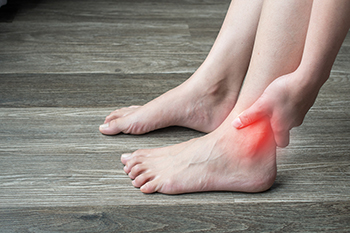
A sign of ankle impingement is the appearance of bony growths that restrict normal range of motion. There are two types of ankle impingement, anterior and posterior. Anterior impingement often follows ankle sprains, resulting in persistent pain at the front or sides of the ankle, weakness, and discomfort during dorsiflexion. With posterior impingement, more common among ballet dancers, the pain is at the back of the ankle and often occurs when pointing the toes or tiptoeing. Impingement syndrome arises when tissues become trapped between bones during extreme ankle movements. Ligament thickening and scar tissue formation can worsen the condition. In severe cases of ankle impingement, surgical intervention may be necessary. If you experience intense pain when either flexing or pointing your feet, it is suggested that you make an appointment with a podiatrist to determine whether you have an ankle impingement.
Ankle pain can be caused by a number of problems and may be potentially serious. If you have ankle pain, consult with Dr. John C. Lawlor from Florida. Our doctor will assess your condition and provide you with quality foot and ankle treatment.
Ankle pain is any condition that causes pain in the ankle. Due to the fact that the ankle consists of tendons, muscles, bones, and ligaments, ankle pain can come from a number of different conditions.
Causes
The most common causes of ankle pain include:
- Types of arthritis (rheumatoid, osteoarthritis, and gout)
- Ankle sprains
- Broken ankles
- Achilles tendinitis
- Achilles tendon rupture
- Stress fractures
- Bursitis
- Tarsal tunnel syndrome
- Plantar fasciitis
Symptoms
Symptoms of ankle injury vary based upon the condition. Pain may include general pain and discomfort, swelling, aching, redness, bruising, burning or stabbing sensations, and/or loss of sensation.
Diagnosis
Due to the wide variety of potential causes of ankle pain, podiatrists will utilize a number of different methods to properly diagnose ankle pain. This can include asking for personal and family medical histories and of any recent injuries. Further diagnosis may include sensation tests, a physical examination, and potentially x-rays or other imaging tests.
Treatment
Just as the range of causes varies widely, so do treatments. Some more common treatments are rest, ice packs, keeping pressure off the foot, orthotics and braces, medication for inflammation and pain, and surgery.
If you have any questions, please feel free to contact one of our our offices located in Cape Coral and LaBelle, FL . We offer the newest diagnostic and treatment technologies for all your foot care needs.
Tuesday, 20 February 2024 00:00
Measuring Baby Shoe Sizes
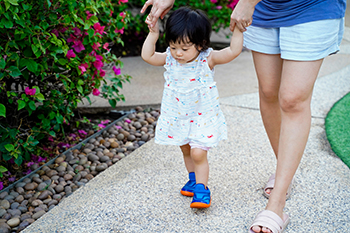
Measuring your baby's feet for the right shoe size is essential for their comfort and healthy foot development. Begin by grabbing a piece of paper and a pencil to trace your baby's foot. Place the paper on a flat surface and gently press your baby's foot onto it, ensuring it lies flat without curling toes. Carefully trace the outline of their foot with the pencil. Once the outline is complete, use a ruler to measure the length from the heel to the longest toe. Repeat the process for both feet, as slight differences in size are common. With the measurements in hand, refer to the sizing chart provided by the shoe manufacturer or retailer to determine the appropriate shoe size for your baby. Remember that baby shoe sizes can vary between brands, so it is a good idea to consult the specific sizing guidelines for accurate fitting. By following these simple steps, you can ensure that your baby's feet are comfortably supported as they explore the world around them. If you are seeking more detailed guidelines about how to measure your baby’s feet or if their shoes are causing them problems, it is suggested that you confer with a podiatrist.
The health of a child’s feet is vital to their overall well-being. If you have any questions regarding foot health, contact Dr. John C. Lawlor of Florida. Our doctor can provide the care you need to keep you pain-free and on your feet.
Tips for Keeping Children's Feet Healthy
- Make sure their shoes fit properly
- Look for any signs of in-toeing or out-toeing
- Check to see if they have Clubfoot (condition that affects your child’s foot and ankle, twisting the heel and toes inward) which is one of the most common nonmajor birth defects.
- Lightly cover your baby’s feet (Tight covers may keep your baby from moving their feet freely, and could prevent normal development)
- Allow your toddler to go shoeless (Shoes can be restricting for a young child’s foot)
- Cut toenails straight across to avoid ingrown toenails
- Keep your child’s foot clean and dry
- Cover cuts and scrapes. Wash any scratches with soap and water and cover them with a bandage until they’ve healed.
If you have any questions, please feel free to contact one of our our offices located in Cape Coral and LaBelle, FL . We offer the newest diagnostic and treatment technologies for all your foot care needs.
Tuesday, 13 February 2024 00:00
Orthotics as a Solution for Children’s Foot Problems
 Orthotics, special inserts that are worn inside the shoe, can provide foot support, promote healthy foot development, and help alleviate foot-related pain for children. Children's feet are continually growing and developing, and certain conditions, such as flat feet or foot misalignments, may benefit from orthotic intervention. Orthotics designed for children can help correct gait abnormalities, improve foot alignment, and minimize pain associated with common problems like plantar fasciitis or shin splints. By providing additional support to growing feet, orthotics contribute to optimal biomechanics and can prevent the progression of certain foot conditions. If your child is experiencing foot-related pain or other foot issues, it is suggested you consult with a podiatrist who can discuss the possibility of orthotics tailored to your child’s growing feet or other treatment solutions.
If you are having discomfort in your feet and would like to try orthotics, contact Dr. John C. Lawlor from Florida. Our doctor can provide the care you need to keep you pain-free and on your feet.
What Are Orthotics?
Orthotics are inserts you can place into your shoes to help with a variety of foot problems such as flat feet or foot pain. Orthotics provide relief and comfort for minor foot and heel pain but can’t correct serious biomechanical problems in your feet.
Over-the-Counter Inserts
Orthotics come in a wide variety of over-the-counter inserts that are used to treat foot pain, heel pain, and minor problems. For example, arch supports can be inserted into your shoes to help correct overarched or flat feet, while gel insoles are often used because they provide comfort and relief from foot and heel pain by alleviating pressure.
Prescription Orthotics
If over-the-counter inserts don’t work for you or if you have a more severe foot concern, it is possible to have your podiatrist prescribe custom orthotics. These high-quality inserts are designed to treat problems such as abnormal motion, plantar fasciitis, and severe forms of heel pain. They can even be used to help patients suffering from diabetes by treating foot ulcers and painful calluses and are usually molded to your feet individually, which allows them to provide full support and comfort.
If you are experiencing minor to severe foot or heel pain, it’s recommended to speak with your podiatrist about the possibilities of using orthotics. A podiatrist can determine which type of orthotic is right for you and allow you to take the first steps towards being pain-free.
If you have any questions please contact one of our our offices located in Cape Coral and LaBelle, FL . We offer the newest diagnostic and treatment technologies for all your foot and ankle needs.
Friday, 09 February 2024 00:00
Gout Pain Can Be Managed

Gout is a painful, inflammatory form of arthritis. Those affected will typically feel an intense stiffness in the joints of their feet, particularly in the big toe. Schedule a visit to learn about how gout can be managed and treated.
Tuesday, 06 February 2024 00:00
What Is Ankle Arthroscopy Surgery?
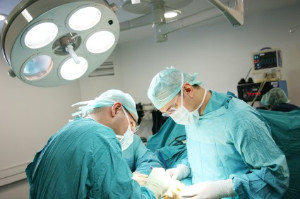
Ankle arthroscopy is a minimally invasive surgical procedure designed to diagnose and treat various ankle joint conditions. This specialized technique involves the use of a small camera, known as an arthroscope, which is inserted into the ankle joint through tiny incisions. The arthroscope transmits high-quality images to a monitor, allowing the podiatric surgeon to visualize the internal structures of the ankle in detail. This procedure is particularly beneficial for addressing issues such as joint inflammation, cartilage damage, and ligament injuries. During ankle arthroscopy, the surgeon can also perform corrective measures by utilizing additional small instruments, minimizing the need for larger incisions. The advantage of ankle arthroscopy lies in its reduced invasiveness, resulting in shorter recovery times, less postoperative pain, and a quicker return to regular activities. If you have chronic ankle pain or have endured an ankle injury, it is strongly suggested that you consult a podiatrist who can determine if this type of foot surgery is appropriate for you.
Foot surgery is sometimes necessary to treat a foot ailment. To learn more, contact Dr. John C. Lawlor of Florida. Our doctor will assist you with all of your foot and ankle needs.
When Is Surgery Necessary?
Foot and ankle surgery is generally reserved for cases in which less invasive, conservative procedures have failed to alleviate the problem. Some of the cases in which surgery may be necessary include:
- Removing foot deformities like bunions and bone spurs
- Severe arthritis that has caused bone issues
- Cosmetic reconstruction
What Types of Surgery Are There?
The type of surgery you receive will depend on the nature of the problem you have. Some of the possible surgeries include:
- Bunionectomy for painful bunions
- Surgical fusion for realignment of bones
- Neuropathy decompression surgery to treat nerve damage
Benefits of Surgery
Although surgery is usually a last resort, it can provide more complete pain relief compared to non-surgical methods and may allow you to finally resume full activity.
Surgical techniques have also become increasingly sophisticated. Techniques like endoscopic surgery allow for smaller incisions and faster recovery times.
If you have any questions please feel free to contact one of our our offices located in Cape Coral and LaBelle, FL . We offer the newest diagnostic and treatment technologies for all your foot and ankle needs.